
How the UK growing calendar, regional produce and cultural dishes can make varied eating feel natural rather than forced.
Seasonal eating aligns your shopping with when crops taste best and often cost less. In spring, forced rhubarb from the Yorkshire Triangle and wild garlic from woodlands add sharp and aromatic notes to dishes. Asparagus arrives in May — steam it simply with lemon or wrap in prosciutto for a starter.
Summer is peak diversity: strawberries, raspberries, courgettes, runner beans, new potatoes and outdoor-reared lamb. Autumn brings apples, pears, squash, kale and game. Winter stores roots — carrots, parsnips, swede — plus cabbuses, leeks and hearty brassicas. Each season nudges your plate toward different micronutrients without a supplement bottle.
Climate varies: Cornish early potatoes appear before Scottish ones. Checking regional farm shop listings or the BBC Good Food seasonal calendar helps you notice what is local to you, whether you live in Saltaire, Cornwall or the Highlands.
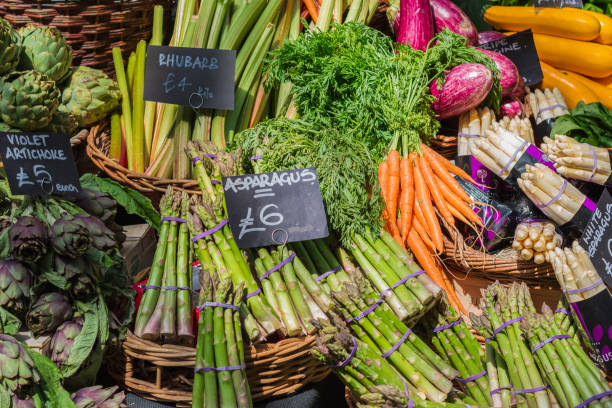
Saltaire and Shipley sit within easy reach of Bradford markets, Yorkshire Dales farm shops and community-supported agriculture schemes. Saltaire Farmers' Market runs monthly on Victoria Road — a practical place to pick up artisan bread, local honey and heritage apples. Buying direct often means shorter supply chains and produce picked closer to ripeness.
Local does not mean exclusively organic or expensive. Supermarket "British" labels on milk, apples and carrots still count toward seasonal awareness. A mixed approach — market treats plus weekday supermarket staples — suits most household budgets.
Preserve gluts: freeze berries on trays, pickle onions, make chutney from windfall apples. Preservation extends seasonal variety into winter months when fresh choice narrows.
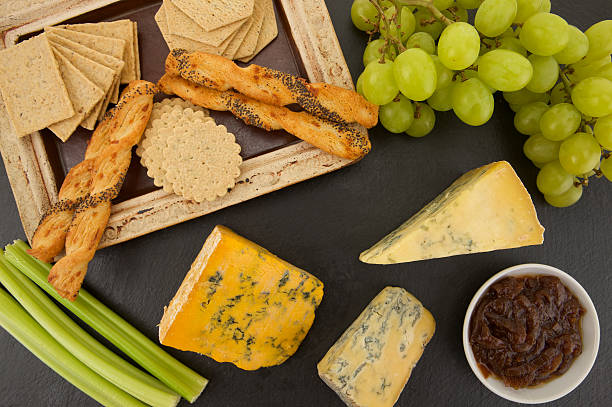
British food culture is layered — regional classics and global influences side by side.
Honouring the dishes you grew up with while adding one new ingredient per fortnight is a sustainable diversity strategy. It respects identity and expands nutrients simultaneously.
Peas, spinach, berries and fish fillets are frozen at peak quality. NHS resources note frozen vegetables can match fresh nutrition — sometimes exceeding it if fresh produce ages in transit. Keep bags of peas and spinach for quick sides.
Chickpeas, tomatoes, sardines and oats store for months. They anchor diversity when markets are closed or budgets are tight. Choose reduced-salt and fruit in juice when options exist.
Seasonal eating is a direction, not a purity test. A January chilli with tinned tomatoes and frozen peppers still counts toward a varied, practical British kitchen.
British staple foodsPeak-season produce is often cheaper per kilo. Off-season strawberries in December cost more and taste less vibrant. Base meals on roots and brassicas in winter, berries and salads in summer.
Watch "British" and "seasonal" shelf labels. Many chains publish seasonal guides online. Frozen and tinned aisles extend variety year-round.
Not always — heated greenhouses can outweigh transport emissions. Seasonal field-grown UK produce is generally a sound default. Life-cycle assessments are complex; eat more plants and waste less food for the biggest practical gains.